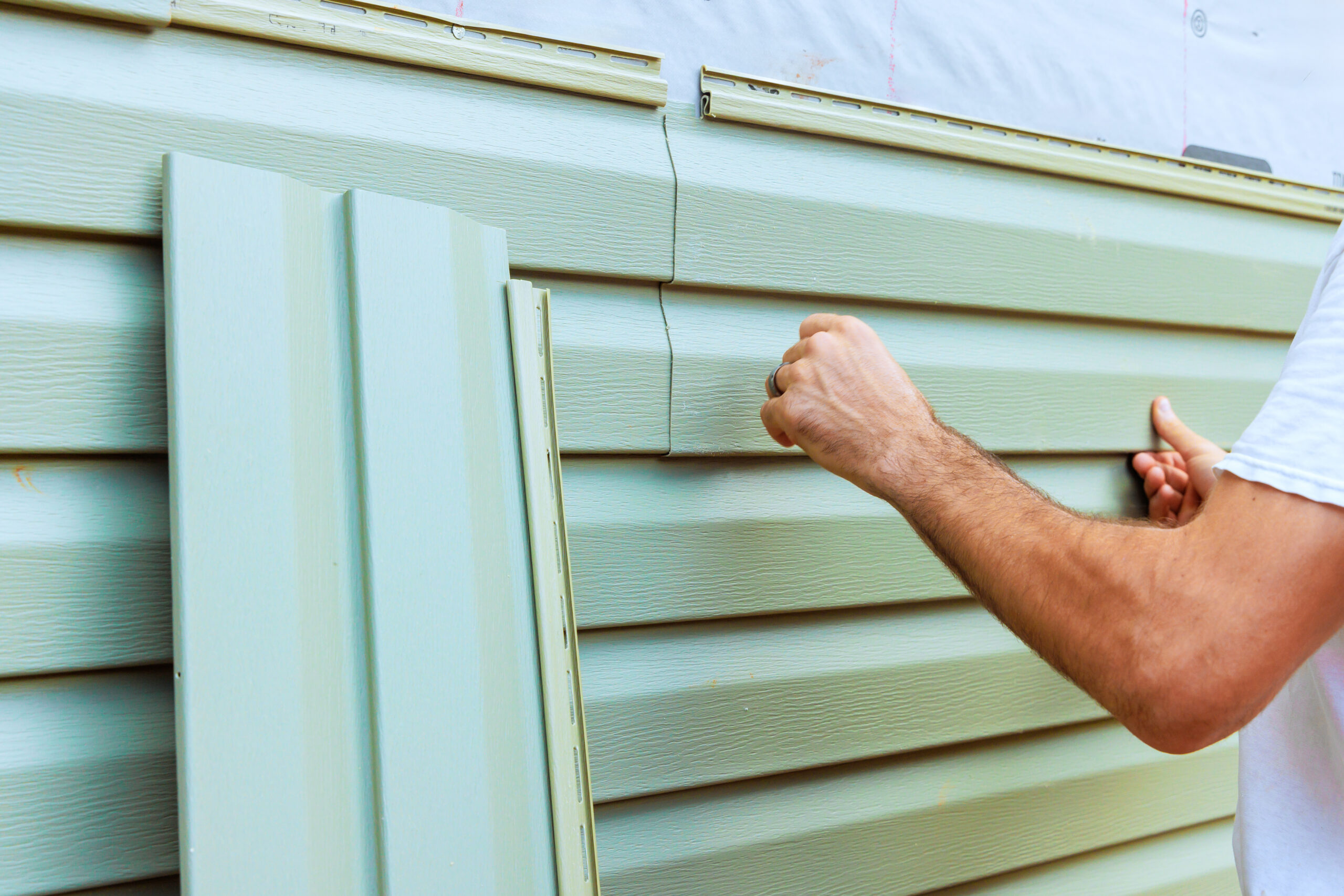
Once you decide on vinyl siding, the next big question is style.
Vinyl siding comes in a wide range of profiles and textures, each offering a different look and function. From classic horizontal panels to bold vertical designs, the right choice depends on your home’s architecture, where the siding will be used, and the overall aesthetic you want to achieve.
Below is a breakdown of the most common types of vinyl siding and how they’re typically used.
Standard lap siding, also known as horizontal lap siding, is the most commonly used vinyl siding style on residential homes. It features long, horizontal panels that overlap slightly, creating clean shadow lines and a balanced, traditional appearance.
This style works well on a wide range of home designs, from older character homes to newer suburban builds. Because of its simplicity and familiarity, standard lap siding is often the safest choice for homeowners who want an exterior that looks polished without feeling trendy or dated.
Best for:
From a performance standpoint, standard lap vinyl siding is well suited to Ontario’s climate. The overlapping panels help direct rain and melting snow away from the home, reducing moisture buildup behind the siding. It also allows for natural expansion and contraction as temperatures change, which is important during freeze–thaw cycles.
Standard lap siding is also easy to maintain and repair. Individual panels can be replaced if damaged, and the smooth surface makes routine cleaning quick and straightforward. For many homeowners, it offers the ideal balance of durability, appearance, and long-term value.
Dutch lap siding is a variation of standard lap siding, featuring a decorative groove along the top edge of each panel. This small detail creates deeper shadow lines, giving the exterior a slightly more textured and refined appearance while still maintaining a traditional look.
This style is often chosen by homeowners who like the familiarity of horizontal siding but want a bit more visual interest. It works especially well on homes where standard lap might feel too plain, but bold vertical or shake styles would feel out of place.
Best for:
From a performance standpoint, Dutch lap vinyl siding performs just as well as standard lap in Ontario’s climate. The overlapping panels help manage rain, snow, and moisture, while allowing for natural expansion and contraction during temperature changes.
Maintenance is also minimal. Like standard lap siding, Dutch lap panels are easy to clean and individual sections can be replaced if damaged. The added texture helps hide minor dirt or wear over time, keeping the exterior looking fresh with little effort.
Board and batten vinyl siding is a vertical siding style defined by wide panels with narrow battens covering the seams. The result is a clean, structured look that adds strong vertical lines and visual height to a home’s exterior.
This style has become increasingly popular on both modern and farmhouse-style homes. It’s often used to create a focal point or add architectural interest, especially on front elevations, gables, or entryway features. When used thoughtfully, board and batten can give a home a more custom, high-end appearance.
Best for:
Board and batten vinyl siding can be used to cover an entire home, not just accents or gables. Many modern and farmhouse-style homes in Ontario use it as the main siding for a bold, clean look.
Things to keep in mind:
When done thoughtfully, full-home board and batten siding can transform a house with striking vertical appeal while still offering the durability and low maintenance that vinyl provides.
In terms of performance, board and batten vinyl siding holds up well in Ontario’s climate when properly installed. The vertical orientation helps rain and snow shed naturally, which can reduce moisture buildup in exposed or shaded areas. Quality installation is especially important with vertical siding to ensure proper drainage and long-term durability.
Maintenance requirements are low, similar to other vinyl siding styles. Cleaning is straightforward, and individual panels can be replaced if needed. Because it’s often used as an accent rather than full coverage, wear and tear is usually limited to smaller areas.
Vertical vinyl siding features long, straight panels installed vertically rather than horizontally. This style offers a sleek, contemporary look and is often used to highlight specific areas of a home rather than cover the entire exterior.
Unlike board and batten, vertical siding usually has a smooth, uniform appearance without the additional battens over seams, giving it a clean, modern feel. It’s a great choice for homeowners who want a subtle but noticeable change from traditional horizontal siding.
Best for:
From a performance standpoint, vertical siding sheds rain, snow, and debris effectively, making it practical for exposed or shaded areas. It also allows for natural expansion and contraction during Ontario’s seasonal temperature swings.
Maintenance is low. Like other vinyl siding styles, vertical panels are easy to clean and can be replaced individually if damaged. Because it’s often used for accents, wear is usually limited to specific areas rather than the entire home.
Shake and shingle vinyl siding is designed to mimic the look of natural wood shakes or shingles, giving a home texture and charm without the high maintenance of real wood. Panels are often used to create visual interest in specific areas rather than covering an entire exterior.
This style is particularly popular for cottages, craftsman-style homes, and traditional designs where detail in gables, dormers, or upper floors can make a big impact. Shake and shingle siding adds depth and character while still offering the durability and low upkeep that vinyl provides.
Best for:
From a performance standpoint, shake and shingle vinyl siding handles Ontario’s weather well. It resists moisture, pests, and temperature swings better than real wood, and its durable surface makes cleaning easy. Individual panels can be replaced if damaged, keeping long-term maintenance straightforward.
Scalloped vinyl siding features panels with rounded, decorative edges that create a softer, more ornamental look. It’s often used to highlight specific areas of a home rather than cover the entire exterior. This style is ideal for adding architectural detail and visual interest, particularly on gables, dormers, or accent sections.
Scalloped siding works well on older or heritage-style homes, as well as any home where you want a subtle touch of elegance without heavy maintenance. It’s typically paired with standard horizontal siding to keep the exterior balanced.
Best for:
From a performance standpoint, scalloped vinyl siding is durable and well-suited to Ontario’s weather. Like other vinyl siding, it resists moisture, pests, and temperature swings.
Maintenance for scalloped siding is very low. A simple rinse with a garden hose or a gentle scrub with a soft brush keeps the siding looking fresh. The color is baked into the material, so it won’t fade over time and never needs repainting. If a panel is damaged, it can be replaced individually, making repairs straightforward and affordable without impacting the rest of the exterior.
Beaded vinyl siding features a small, rounded “bead” along the bottom edge of each panel, creating subtle shadow lines and a refined, decorative look. This style is often chosen to give homes a classic or New England-inspired appearance, adding character without being overly bold.
Beaded siding works well as a main exterior siding or for accent areas, such as gables, dormers, or porch sections. Its subtle texture can help break up large wall surfaces, giving a home more depth and charm while remaining low-maintenance.
Best for:
Beaded vinyl siding can perform well in Ontario’s climate, but proper installation is crucial. If panels aren’t aligned correctly, the bead can trap moisture or debris, especially in shaded areas or regions with heavy snowfall. When installed carefully, it resists pests, moisture, and fading, just like other vinyl siding options.
Maintenance is simple. Occasional cleaning with a garden hose or soft brush keeps the siding looking fresh. The color is baked into the vinyl, so it won’t fade and never needs painting. Damaged panels can be replaced individually, making repairs straightforward.
One of the biggest advantages of vinyl siding is how easily different styles can be combined to create a visually interesting and balanced exterior. Mixing siding styles allows homeowners to highlight architectural features, add texture, and give their home a more custom, high-end look without sacrificing durability or maintenance.
Common ways homeowners mix vinyl siding include:
From a performance standpoint, mixing siding styles doesn’t affect durability or maintenance. Each style offers the same low-maintenance benefits of vinyl, and individual panels can be replaced if needed. Using accents strategically also helps manage visual weight, so taller or wider homes don’t feel disproportionate.
For more on why vinyl siding is a practical and attractive choice for Ontario homes, see our full vinyl vs. aluminum guide.
The best vinyl siding style depends on your home’s design, the areas you want to highlight, and your overall aesthetic goals.
Professional guidance can help ensure the siding style you choose not only looks good but also performs well over time, especially in climates with wide seasonal temperature swings.
From classic horizontal lap to bold board and batten designs, vinyl siding offers flexible style options for nearly any home. When chosen thoughtfully, the right combination of siding styles can enhance curb appeal, complement architectural features, and provide long-lasting protection.
For homeowners in Barrie, Newmarket, and surrounding areas, who are looking for new siding, vinyl remains a practical and attractive choice that balances appearance, performance, and low maintenance.