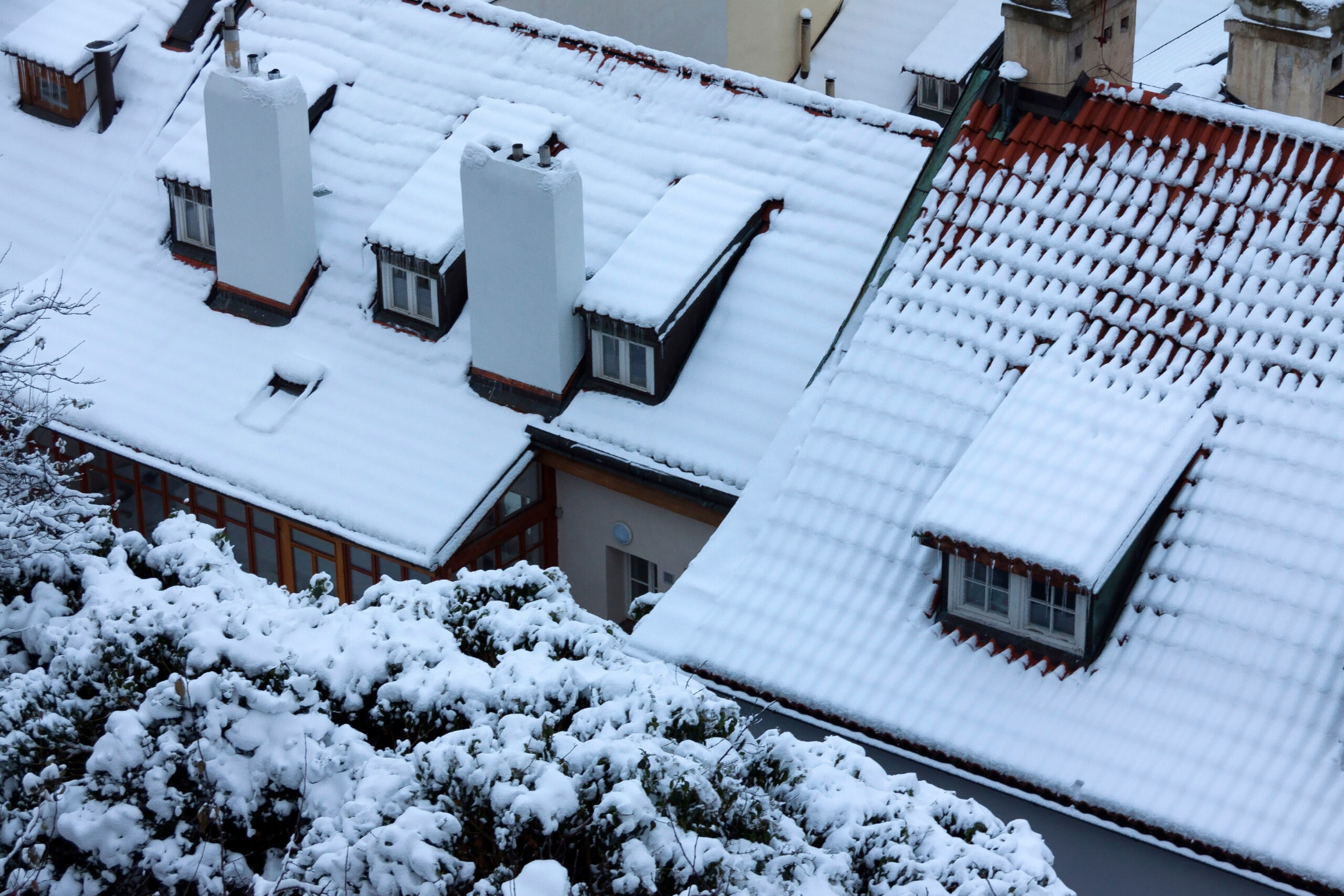
Winter in Simcoe County and York Region isn’t gentle on homes. Between heavy snow in Barrie, freezing rain in Newmarket, and constant temperature swings across Ontario, your roof and siding take a real beating before the warmer weather returns.
The good news is that a little seasonal maintenance goes a long way.
That doesn’t mean you don’t need to climb onto your roof in January or tackle major projects in the cold. What you do need is a smart, preventative approach that helps you avoid leaks, ice damage, and costly repairs once the snow melts.
Winter maintenance is less about fixing problems and more about spotting risks early. Afterall, Ontario winters are a perfect recipe for exterior damage. Snow buildup, ice dams, wind, freezing rain, and repeated freeze-thaw cycles all put stress on roofing and siding materials.
In areas like Barrie and Newmarket, where winter conditions can vary week to week (sometimes even day to day), small issues can quickly turn into big ones. A loose shingle, blocked vent, or cracked siding panel may seem minor in December but can lead to water infiltration by February.
So what exacting does roof and siding maintenance look like in the winter?
Clogged gutters are one of the most common causes of winter water damage in Ontario homes.
Before consistent freezing temperatures set in, make sure gutters and downspouts are:
When gutters cannot drain, melting snow refreezes at the edges of the roof, contributing to ice dams. In both Barrie and Newmarket, this is a frequent issue after mid-winter thaws.
Siding is your home’s first defence against wind and moisture, and winter conditions make existing issues worse.
Do a walkaround inspection and look for:
Vinyl siding, which is widely used in both Barrie and Newmarket, becomes more brittle in cold temperatures. Even small impacts from ice or debris can cause damage that allows moisture behind the siding.
Catching these issues early helps prevent mold, rot, and insulation problems once spring arrives.
You do not need a ladder to assess your roof in winter. A visual inspection from the ground can tell you a lot.
Look for:
Homes in Barrie often see heavier snow loads, while Newmarket homes may experience more freeze-thaw cycles. Both conditions make early detection especially important.
If you have a metal roof, snow tends to shed more easily, but fast-moving snow and ice can still stress fasteners and flashing. This is something to keep an eye on visually throughout the season.
Ice dams are not just an exterior problem. Often, the first clues show up inside your home.
Pay attention to:
These signs suggest heat is escaping into the attic, melting snow unevenly and forcing water back under roofing materials.
Addressing insulation and ventilation issues protects all roof types, including asphalt and metal roofing systems commonly used in Barrie and surrounding areas.
Many winter roof problems start in the attic, not on the roof itself.
Attic access hatches should be properly sealed and insulated to prevent warm air from escaping into the attic. Roof vents also need to remain clear of snow and frost so air can flow as intended, and bathroom and kitchen vents should be exhausting outside, not back into the attic space.
When airflow is restricted, heat builds up unevenly under the roof, increasing the risk of ice dams and moisture buildup during Ontario winters.
Heavy snow and strong winds can turn nearby trees into a real problem. As snow starts to build up, branches that hang over your house can get weighed down and can push against the roof and siding.
This can increase the risk of:
This is especially important for older neighbourhoods in Barrie and established areas of Newmarket where mature trees are common.
Winter maintenance is not a one-and-done task. In Barrie and Newmarket, where weather can shift quickly, checking your roofline and siding a few times throughout the season can catch issues before they escalate.
Try to do a check monthly, and when significant weather events or temperature changes occur:
Good intentions can sometimes make winter issues worse. To make sure you don’t cause additional damage your home (and yourself) avoid:
If something looks off, observation and professional advice are safer than quick DIY solutions in winter conditions.
Winter is not the time for DIY roof and siding repairs. If you notice ongoing issues, leaks, or structural concerns, it is safer to consult a professional who understands Ontario winter conditions.
Local contractors familiar with roofing and siding in Barrie and Newmarket can assess whether a problem needs immediate attention or can wait until spring, helping you avoid unnecessary risk and expense.
Winter maintenance is about staying ahead of problems, not reacting to damage after it has already happened. By keeping an eye on your roof and siding throughout the season, you can protect your home, your comfort, and your budget.