
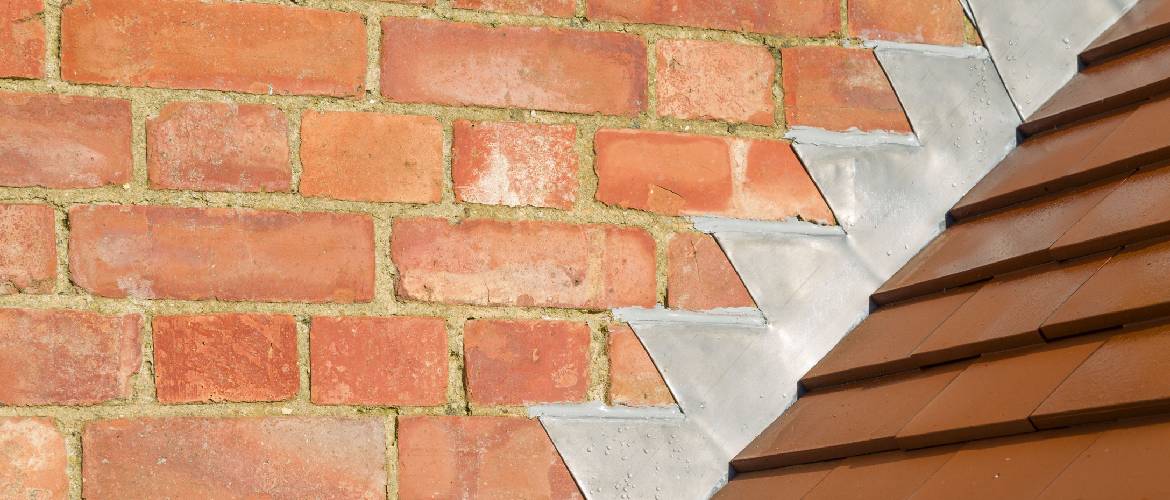
Roof flashing is an important part of roof installation. Flashing prevents water from seeping into the roofing material and damaging the structure of the house. It is a specially designed piece of metal or other material that is installed in a groove or channel on the roof, and it helps to keep out rain, snow, and sleet. Flashing is also very important in preventing ice dams from forming on the roof.
What Is Roof Flashing?
Roof flashing is a material used to seal the joints between different components of a roofing system. It helps to prevent water infiltration and can extend the life of your roof. If you have a chimney, you’ve probably seen it where the chimney meets the roof. It’s a piece of thin metal that is shaped to tightly fit those corner joints.
What Kind of Flashing Do I Need for My Roof?
The type of flashing you need for your roof will depend on the type of roof you have. If you have a shingled roof, you will need to install drip edge flashing. If you have a tile roof, you will need to install valley flashing. If you have any questions, you should always contact a professional.
What Is the Most Common Material Used for Roof Flashing?
The most common material used for roof flashing is galvanized steel. Galvanized steel is a type of steel that has been coated with a layer of zinc to help protect it from corrosion. Steel is the preferred material because it’s strong and durable. It also has a low conductivity, which means it won’t transfer heat as easily as other materials.
What Are the Different Types of Roof Flashing?
There are different types of roof flashing available, and the most common material used is galvanized steel, but aluminum is also used sometimes. There are also copper, lead, and stainless steel options. The type of flashing you need will depend on the type of roofing material you have and the weather you experience.
For example, if you have asphalt shingles, you will need a different type of flashing than if you have concrete tiles. Felt, asphalt, and concrete are also materials that can be used for roof flashing.
Can You Reuse Old Roof Flashing?
Yes, you can reuse old roof flashing. However, it is important to inspect the flashing for signs of wear and tear before you reuse it. If the flashing is damaged, it will not be as effective at preventing water infiltration.
If you have any questions about roof flashing, or if you need to repair a roof flashing leak, contact a local roofing contractor like those on our team at T. Simpson Roofing. They will be able to help you choose the right type of flashing for your roof and make sure it is installed correctly.
Common Roof Flashing Problems
Roof flashing doesn’t usually fail all at once. Small issues develop slowly until water finally finds a way in. Here are the most common flashing problems homeowners run into and how they are resolved.
- Loose or Lifted Flashing
Strong winds, shifting structures, or aging sealant can cause flashing to lift away from the roof surface.
Repair: A roofer will remove old caulking, secure the flashing back into place, and reseal the edges so water can’t slip underneath.
- Rusted or Corroded Flashing
Metal flashing eventually degrades, especially in areas with snow, ice, and freeze-thaw cycles.
Repair: Corroded sections are cut out and replaced with new metal flashing to ensure a watertight seal.
- Cracked or Deteriorated Sealant
Sealant around chimneys, vents, and skylights breaks down over time.
Repair: Old sealant is cleaned away and replaced with high-quality roofing-grade caulking.
- Improperly Installed Flashing
Poor workmanship is a leading cause of leaks, especially around chimneys and valleys.
Repair: Flashing is removed and reinstalled correctly so it sits flush and channels water away as intended.
- Damage Caused by Ice Dams
Ice buildup can push water backward under shingles and flashing.
Repair: Crews lift shingles, replace damaged flashing, and reinforce vulnerable areas to prevent future ice-dam leaks.
For a deeper look at why flashing fails (and what signs to watch out for) check out our full guide on roof flashing repair.
Tips for Maintaining Your Roof Flashing
If you want to keep your roof flashing in good condition, it is important to maintain it regularly. The best way to maintain roof flashing is to clean it regularly. Debris and dirt can build up on the flashing over time, which can lead to water infiltration.
Another way to maintain roof flashing is to check it for signs of damage because ignoring damage to roof flashing can lead to more serious problems, such as leaks. Leaks can cause major structural issues or mold growth.
Here are a few more quick tips:
- Inspect your roof flashing regularly for signs of wear and tear.
- If you notice any damage, repair it as soon as possible.
- When installing new roof flashing, always follow the manufacturer’s instructions carefully.
- Seal the joints between the pieces of flashing with roofing cement to help prevent leaks.
Wrapping Up With FAQs About Roof Flashing
Flashing is an important part of any roofing system, and it’s important to know how to install it and repair it if necessary. If you have any questions about flashing, be sure to read our FAQs below. It’s also a quick recap of the more important points discussed above.
Q: What is roof flashing?
A: Roof flashing is a material used to seal the joints between different pieces of roofing material. It helps to prevent water infiltration and can extend the life of your roof.
Q: What is the most common material used for roof flashing?
A: The most common material used for roof flashing is aluminum. However, there are also copper, lead, and stainless steel options available.
Q: When should you repair a leak?
A: If you have a roof flashing leak, it is important to repair it as soon as possible. If left unrepaired, the leak can cause damage to the structure of your house. Black mold is also very possible if you don’t get it repaired quickly.
Q: What is flashing on the side of the roof?
A: The flashing on the side of the roof is called drip edge flashing. It is installed at the edges of the roof to help prevent water from seeping under the shingles and causing damage to the structure of the house.
Contact us at T. Simpson Roofing if you have any questions about roof flashing or need to repair a roof flashing leak. We can assist you in selecting the correct type of flashing for your roof and ensuring that it is properly installed.